

Olga Miler hatte einen Traumjob bei einer Schweizer Grossbank. Doch sie wollte mehr: Vor zwei Jahren machte sie sich selbstständig und führt seither ihre eigene Firma. Geld steht dabei noch immer im Zentrum, aber Miler geht es um mehr als nur um Profit. Wir haben mit der Unternehmerin darüber gesprochen, wie Finanzbildung die Menschen glücklicher und die Welt besser machen kann.
Frau Miler, Sie wollen möglichst vielen Menschen erklären, wie die Finanzwelt funktioniert. Wieso ist Ihnen das so wichtig?
Die Leute haben zu wenig Wissen über Geld. Dabei wäre es essenziell, die Grundzüge dieser Welt zu verstehen. Nur wer die Finanzbranche versteht, kann nämlich effizient für das Alter vorsorgen und seine eigenen Ziele erreichen. Eine Studie zeigt eindrücklich, wie viel Lernbedarf es hierzulande noch gibt: Wenn junge Schweizer auf ein Haus sparen, bleibt ihr Geld meist auf einem Sparkonto liegen – und zwar nicht, weil sie sich bewusst dafür entscheiden, sondern weil sie die Alternativen nicht kennen. Das ist eine verpasste Chance, denn auf dem Sparkonto kann Geld nicht viel bewirken und sich nicht vermehren. Wer sein Vermögen hingegen anlegt, hat das nötige Geld für einen Hauskauf oftmals schneller zusammen. Deshalb habe ich es zu meiner Mission gemacht, den Leuten mehr über Geld beizubringen, und zwar auf eine unterhaltsame Weise. Das macht mir unglaublich Spass; ich würde am liebsten gar nichts anderes mehr machen.
Sie haben dafür eine Online-Plattform aufgebaut, welche sich explizit an Frauen richtet. Wieso fokussieren Sie sich auf weibliche Personen?
Frauen sind finanziell benachteiligt – und zwar aus verschiedenen Gründen: Für die gleiche Arbeit erhalten sie weniger Lohn, ausserdem arbeiten sie häufig Teilzeit und haben öfters Arbeitsunterbrüche. Dadurch entstehen zum Teil grosse Lücken bei der Vorsorge. Gerade Frauen können ihre Lebenssituation jedoch stark verbessern, wenn sie ihr Geld richtig anlegen. Lange Zeit gab es keinen Ort, wo sich Frauen über diese Themen und über die Rolle von Geld in ihrem Leben austauschen konnten. Diese Lücke wollen wir mit «Smartpurse» schliessen. Mein Ziel ist es, dass wir miteinander ganz natürlich über Geld sprechen können. Das würde vielen Leuten guttun.
Wie fängt man am besten damit an, sich mit der Finanzwelt zu beschäftigen?
Wichtig ist nicht, wie man beginnt, sondern dass man beginnt. Genau das ist nämlich der häufigste Fehler: Viele Leute fangen gar nicht erst damit an oder geben schnell wieder auf, weil sie sich von Abkürzungen und Fachbegriffen überfordert fühlen. Ich empfehle deshalb allen, sich ein gutes Grundverständnis für den Finanzmarkt anzueignen. Dafür kann man einen Kurs besuchen oder Bücher und Blogs lesen. Es müssen alle selbst herausfinden, was für sie am besten funktioniert. So habe übrigens auch ich begonnen: Ich kam als Marketing-Expertin zu einer Bank für ein Beratungsprojekt. Am Anfang wusste ich nicht viel über diese Branche und googelte am Abend jeweils alles, was mich während des Tages verwirrte. Ich wollte mich in erster Linie nicht blamieren. So wurde dann meine Leidenschaft entfacht: Ich habe gemerkt, dass sich die Arbeit bei der Bank nicht nur um Statistiken dreht, sondern um echte Menschen mit einem echten Leben.
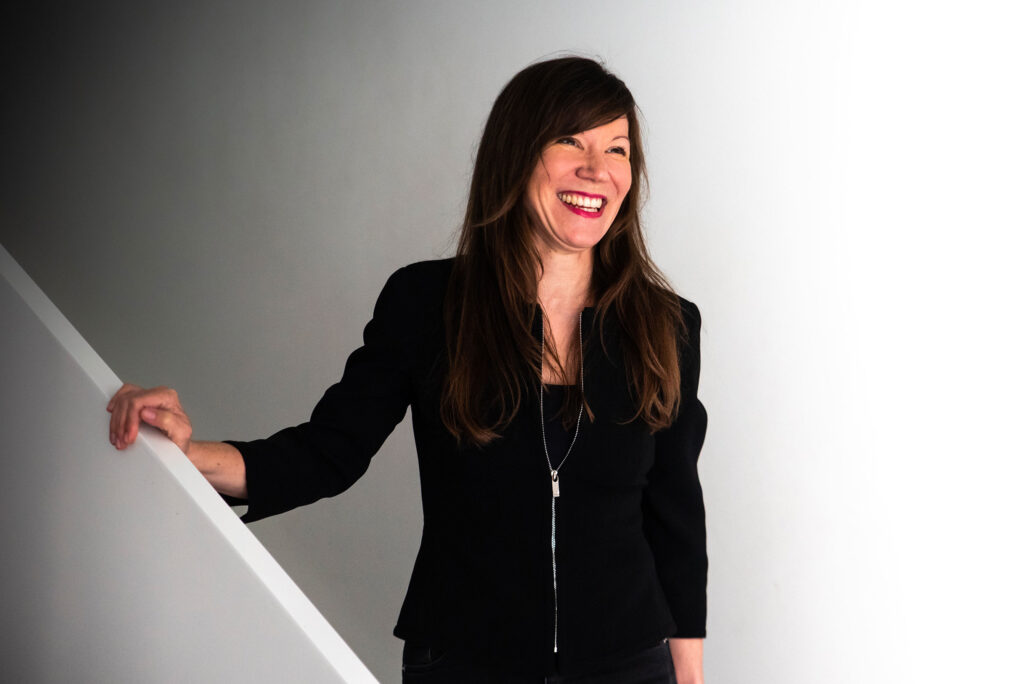
In den Interview-Pausen hat Miler ihren Email-Posteingang stets im Blick. Während die Kameras neu justiert werden, gibt sie Feedback zum neuen Design der «Smartpurse»-Website, konzipiert Marketing-Videos, plant Vorträge und Seminare. Miler sprüht vor Energie und Motivation, spricht mindestens so schnell wie sie denkt. Das ganze Wissen, welches sie sich in über einem Jahrzehnt bei der UBS erarbeitet hat, teilt sie jetzt an Finanzkursen für Frauen im In- und Ausland. Obwohl sie ihr Startup erst vor zwei Jahren gründete, wurde Miler schon mit diversen Preisen ausgezeichnet und ist eine gefragte Speakerin. Viel wichtiger als Awards ist ihr aber das Gefühl, mit ihrem Handeln etwas Gutes zu tun.
Sie finden es wichtig, dass sich Privatanleger auch mit Nachhaltigkeit beschäftigen. Wieso sollte man beim Investieren nicht nur auf den Profit achten?
Es muss uns allen am Herzen liegen, was mit unserem Planeten passiert. Durch unsere Anlagestrategie können wir darauf Einfluss nehmen. Gemäss Studien kann es sogar mehr bewirken, wenn man sein Geld in der Pensionskasse nachhaltig anlegt, als wenn man ein Leben lang vegetarisch lebt oder aufs Fliegen verzichtet. Geld hat eine grosse Signalwirkung: Wenn wir einen Teil unseres Vermögens investieren, liegt dieses Kapital nicht nur auf der Bank, sondern fliesst an bestimmte Unternehmen. Wir haben also die Wahl, welche Firmen wir unterstützen wollen und wie wir unsere Prioritäten setzen. Das ist ein weiterer Grund, wieso Finanzbildung so wichtig ist: Wer nicht versteht, wie der Aktienmarkt funktioniert, kann seinem Geld keine Sinnhaftigkeit geben. Das ist nicht nur eine verpasste Chance für die einzelnen Anleger, sondern auch für eine bessere Welt. Genau deshalb setze ich mich auch so intensiv für Finanzbildung ein. Nicht nur die Bankenbranche müsste die Grundsätze besser vermitteln, sondern auch die Schulen.
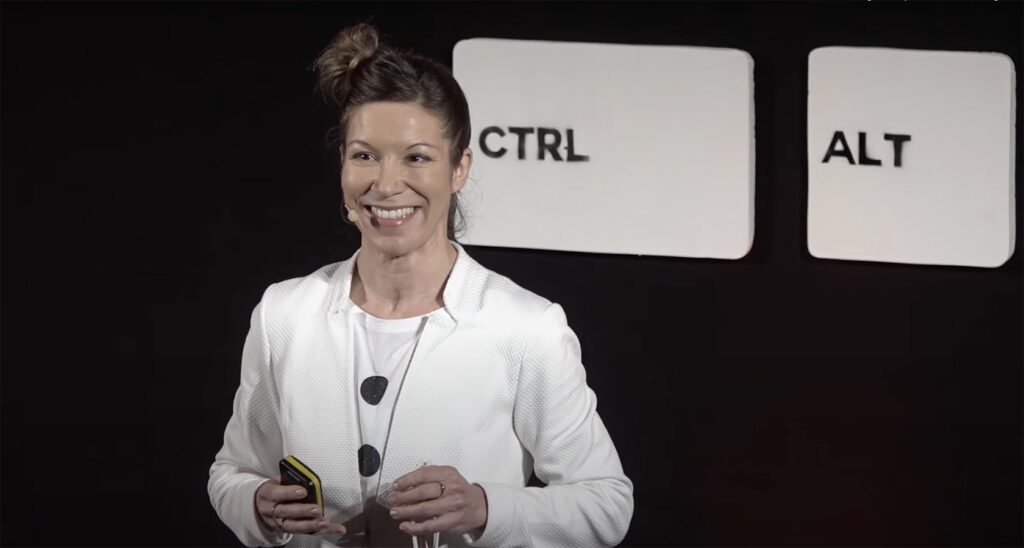
Es ist mir viel wichtiger, meine berufliche Freiheit zu haben, als Millionen auf dem Konto anzuhäufen.
Was für eine Rolle spielt Geld in Ihrem Leben?
Über die Jahre hat sich das natürlich verändert. Heute geht es mir nicht mehr darum, mein Bankkonto zu maximieren, sondern mein Lebensglück. Es ist mir viel wichtiger, meine berufliche Freiheit zu haben, als Millionen auf dem Konto anzuhäufen. Studien haben sowieso gezeigt, dass das persönliche Glück ab einem gewissen Jahreseinkommen nicht mehr grösser wird; in der Schweiz sind das ungefähr 100’000 Franken.
Was haben Sie schon für Fehler mit Geld gemacht?
Wahnsinnig viele! (lacht) Mit Geld habe ich vermutlich fast jeden Fehler gemacht, den man sich vorstellen kann. Ich habe zu teure Anlagen gekauft, habe eine Zeit lang gar nicht investiert, bin Betrügern auf den Leim gegangen. Zum Glück habe ich jeweils nur kleine Beträge verloren. Mein grösster Fehler war aber auf jeden Fall, dass ich zu zögerlich war. Rückblickend würde ich viel aggressiver investieren.
Welche Ziele haben Sie noch in Ihrer Karriere?
Ich will die Finanzbildung in mehreren Ländern messbar verbessern – und das wird mich wohl noch lange beschäftigen. Parallel dazu möchte ich mehr im Bereich Nachhaltigkeit machen und neue Lösungen entwickeln. Ich kann mir auch vorstellen, andere Startups als Angel-Investorin zu unterstützen.
Und ich hoffe, dass ich dann irgendwann im hohen Alter mit einem Champagner-Glas in der Hand tot umfalle und sagen kann: Ich habe mit meinem Leben etwas gemacht – und das, was ich gemacht habe, hat etwas bewirkt. Es hat den Menschen geholfen.
Wir sind gespannt und drücken die Daumen. Vielen Dank, Frau Miler, dass Sie sich für uns Zeit genommen haben.


